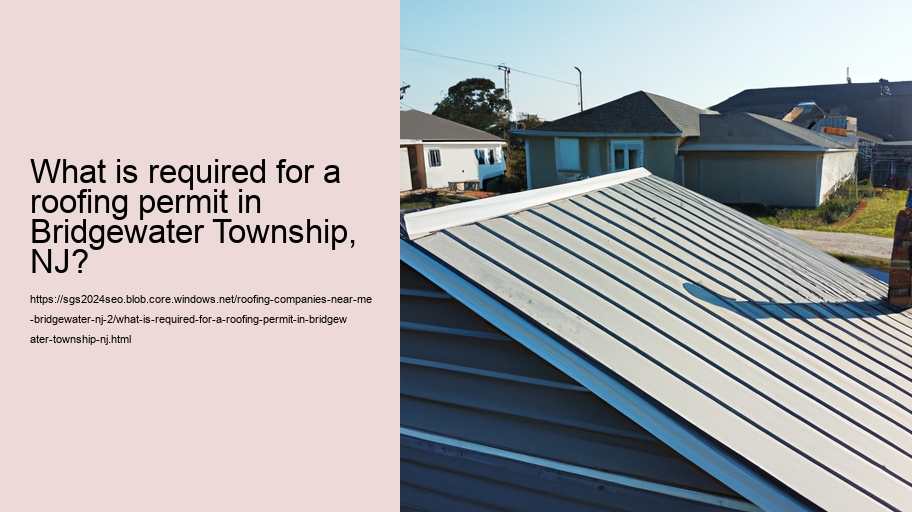
Securing a roofing permit in Bridgewater Township, NJ, is an essential step for homeowners and contractors planning to undertake roofing projects. What is the timeframe for completing a roof replacement in Bridgewater, NJ? . This requirement is part of the township's broader commitment to ensuring safety, compliance with building codes, and maintaining the structural integrity of homes and buildings in the area. Understanding the process and requirements can help streamline the project and avoid potential setbacks or legal issues.
First and foremost, the applicant must accurately complete a building permit application. This form provides the township with necessary details about the project, including the scope of work, estimated cost, and materials to be used. It's important for applicants to be thorough and precise in this stage to prevent delays in the approval process. Often, the application will require specific information about the type of roofing materials being installed and whether the project involves a complete roof replacement or just repairs.
In addition to the application, the township may require detailed plans or drawings of the proposed work. These plans should illustrate the existing roof structure and any planned modifications. This is particularly important for larger projects or when making significant changes to the roof design, as the township needs to ensure that all structural aspects comply with local building codes. In some cases, professional drawings prepared by a licensed architect or engineer may be required to provide a clear representation of the project.
Applicants must also be aware of the zoning regulations in Bridgewater Township. Depending on the location, there might be specific rules regarding the roof's appearance, height, or materials, particularly for homes in historic districts or neighborhoods with homeowner associations. Checking these regulations beforehand can prevent complications during the inspection process.
Another key requirement is proof of insurance. Contractors performing the roofing work need to provide evidence of liability insurance and workers' compensation coverage. This protects both the property owner and the workers in case of accidents or damage during the project. If a homeowner is undertaking the roofing work themselves, they may need to provide proof of homeowner's insurance that covers potential liabilities.
The township typically charges a fee for the roofing permit, which varies based on the project's size and complexity. It's advisable to check the current fee schedule, as these fees can change and may impact the overall budget for the project.
Once the application, plans, and fees are submitted, the township will review the materials. This review process ensures that the proposed work aligns with all relevant codes and regulations. If the application is approved, the township will issue the permit, allowing the project to commence. However, if there are issues or missing information, the township will provide feedback, and the applicant will need to address these concerns before proceeding.
After the permit is granted and work begins, the township may require inspections at various stages of the project. These inspections ensure that the work is being completed according to the approved plans and that all safety standards are being met. It's crucial to schedule these inspections in a timely manner to avoid project delays.
In conclusion, obtaining a roofing permit in Bridgewater Township, NJ, involves careful preparation and adherence to local regulations. By understanding the necessary steps, including application submission, zoning compliance, and insurance requirements, homeowners and contractors can successfully navigate the process. This diligence not only ensures compliance but also contributes to the safety and longevity of the roofing project.